




Most people don’t stop wearing a mask because they doubt its purpose. They stop wearing it because it becomes uncomfortable.
That discomfort is rarely dramatic. It builds gradually. A slight pressure behind the ears. A warm, damp feeling after an hour. A constant awareness of something sitting on your face. Eventually, the mask comes off “just for a moment”, and often stays off.
This article looks at mask comfort from a practical, everyday perspective. Not as a performance claim and not as a technical specification, but as a design problem: what makes a mask tolerable for hours, not minutes?
At AusAir, comfort is treated as a prerequisite for real-world use. The AirWeave mask is designed around this idea, with the goal of creating something people can actually live with across long days, travel, and repeated wear.
Comfort Determines Whether a Mask Is Actually Worn
In theory, any mask that meets a given standard should be good enough. In practice, people make dozens of small decisions while wearing one.
They adjust it.
They pull it down briefly.
They remove it earlier than planned.
They choose something else the next time.
These decisions are rarely ideological. They are physical. Comfort determines whether a mask stays on without effort, or becomes something that needs constant management.
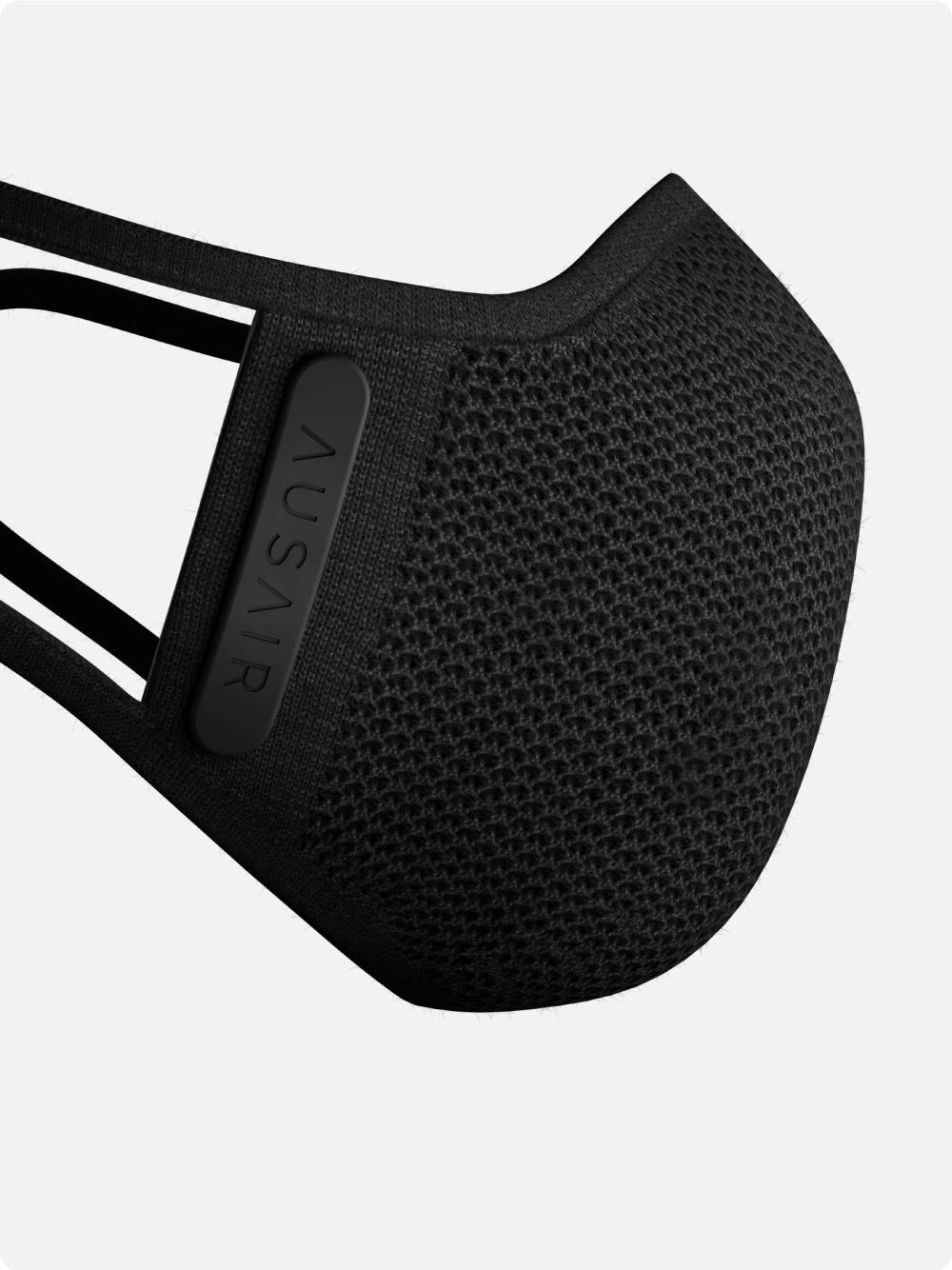
This is why the AirWeave design prioritises stability, breathability, and pressure distribution. A mask that requires frequent adjustment is one that is constantly reminding the wearer that it’s there.
Discomfort Builds Gradually, Not All at Once
Many masks feel acceptable for the first ten minutes. Problems tend to appear later.
Heat accumulates. Moisture changes how the material feels. Pressure that was barely noticeable becomes distracting. Small irritations compound into fatigue.
A mask intended for short errands often behaves very differently during a full workday or a long flight. Comfort, in this sense, is a time-based quality rather than a first impression.
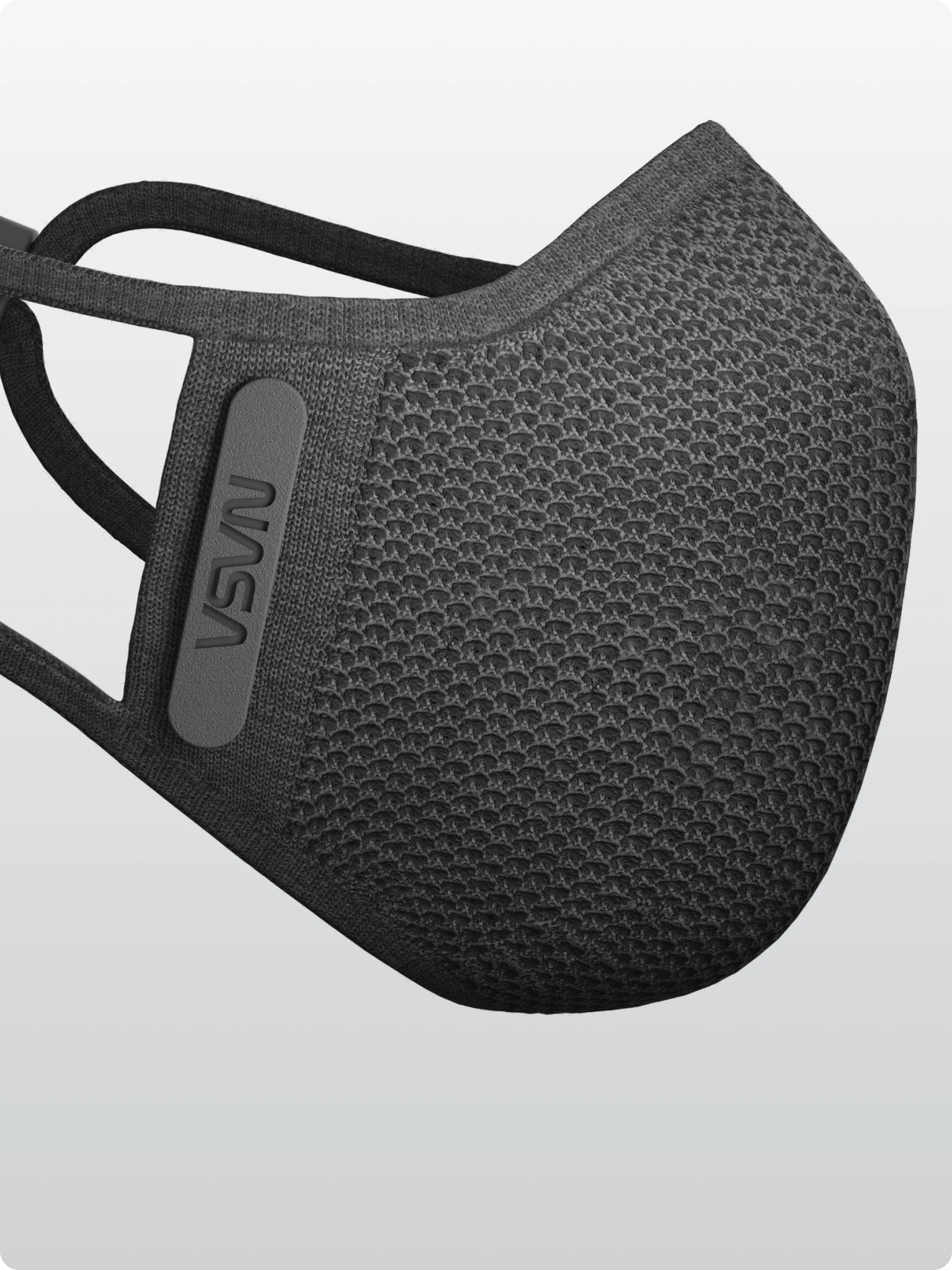
The AirWeave mask is designed to hold its shape and fit consistently as conditions change, rather than collapsing or shifting as the day goes on. Features such as the structured form and 3D memory nose foam exist to maintain a stable feel over extended wear.
Breathability Is a Felt Experience
People do not experience breathability as a number. They experience it as effort.
When breathing feels heavy or warm air lingers around the mouth, awareness increases. People compensate without thinking, by taking deeper breaths, adjusting the mask, or removing it altogether.
The wool-based AirWeave filter media is designed to feel breathable in practice, not just on paper. From the wearer’s perspective, this shows up as easier breathing and less heat build-up during normal use.
When breathing feels natural, attention shifts away from the mask. That is when comfort becomes effective.
Pressure Points Are Where Most Masks Fail
Masks tend to become uncomfortable in predictable places.
Behind the ears.
Across the bridge of the nose.
Along the jawline.
These areas do not need to be painful to cause fatigue. Low-level pressure applied continuously is often more difficult to tolerate than brief tightness.
This is why the AirWeave design uses a firm nose wire paired with 3D memory nose foam. The intention is not to increase pressure, but to distribute it evenly so the mask stays stable without digging in.
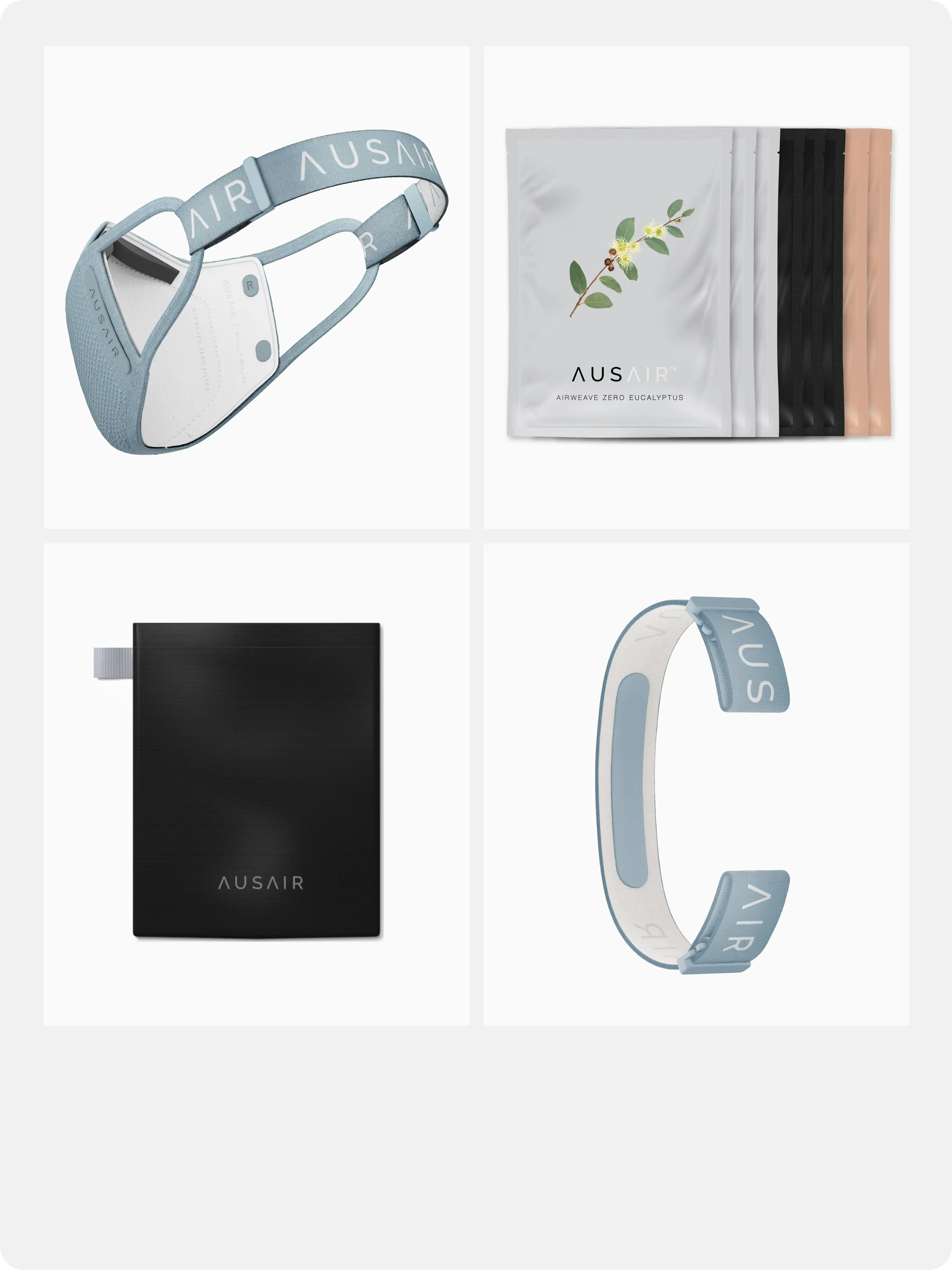
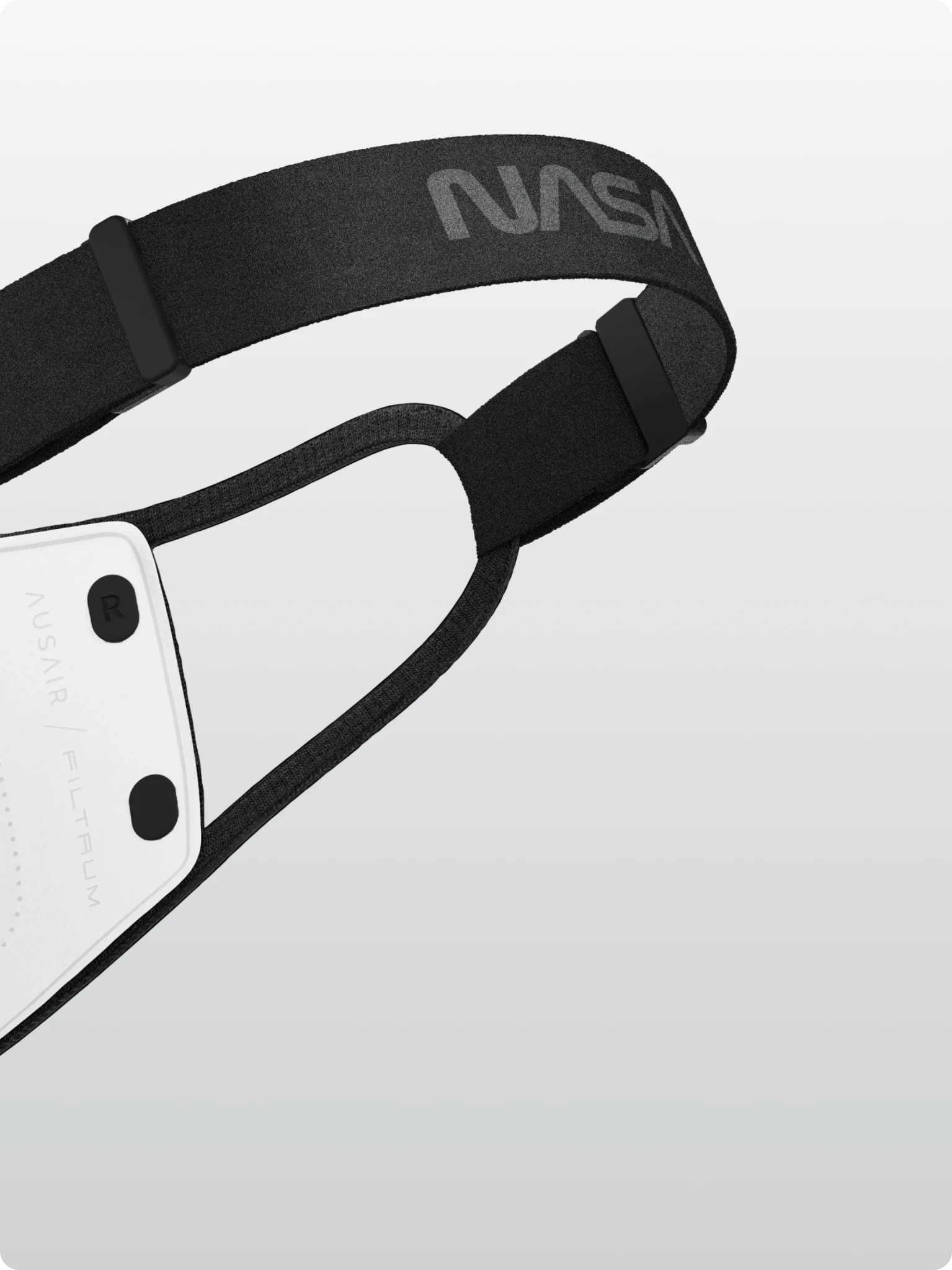
For people who experience ear fatigue during long wear, an optional head strap can shift tension away from the ears entirely. It isn’t necessary for everyone, but it offers a practical way to adapt the mask for extended use.
Comfort Is Psychological as Well as Physical
Discomfort is not always about airflow or pressure. It is often about awareness.
Fabric brushing the lips. A mask collapsing inward when breathing. A constant sense of enclosure.
A structured mask that maintains its shape creates space in front of the mouth and nose, reducing this sensory feedback. The AirWeave mask is designed to feel stable and predictable, which helps lower mental fatigue during longer wear.
When a mask stops demanding attention, it becomes easier to forget.
Moisture Changes How a Mask Feels Over Time
As a mask is worn, moisture from breathing inevitably builds up. This affects comfort in several ways.
Warmth increases. Materials behave differently against the skin. Breathing can feel heavier. The mask may begin to cling or feel damp.
Materials chosen for the AirWeave filter media are intended to manage this moisture more effectively during extended wear. From the wearer’s perspective, this shows up as consistency. The mask feels closer to the same at hour three as it did at hour one.
Consistency over time is one of the most underestimated aspects of comfort.
Ear Comfort Is Often the Breaking Point
For many people, ear discomfort is the moment a mask comes off.
Even lightweight masks can cause fatigue when all the load is carried by two small contact points. Over hours, this strain adds up.
The AirWeave system allows for different wearing configurations so users can adapt the mask to longer sessions if needed. Redistributing tension reduces pressure on the ears and makes extended wear more manageable, particularly during travel or full-day use.
Comfort Is Not the Same as Softness
Soft materials help, but softness alone does not guarantee comfort.
A very soft mask that collapses, traps moisture, or requires frequent adjustment can be more frustrating than a slightly firmer mask that holds its shape and stays in place.
Comfort emerges from balance. Structure without rigidity. Contact without pressure. Breathability without fragility.
The AirWeave mask is designed around this balance, combining a stable outer structure with materials selected to feel natural against the skin.
Why People Abandon Masks They Initially Like
Many people buy a mask they like, wear it a few times, and then quietly stop using it.
This usually happens because discomfort appears later, not immediately. The mask may feel worse after an hour, shift during movement, or become irritating during longer sessions.
Masks that remain in regular rotation tend to be the ones that introduce the least friction. They are easy to put on, comfortable to wear, and familiar when picked up again.
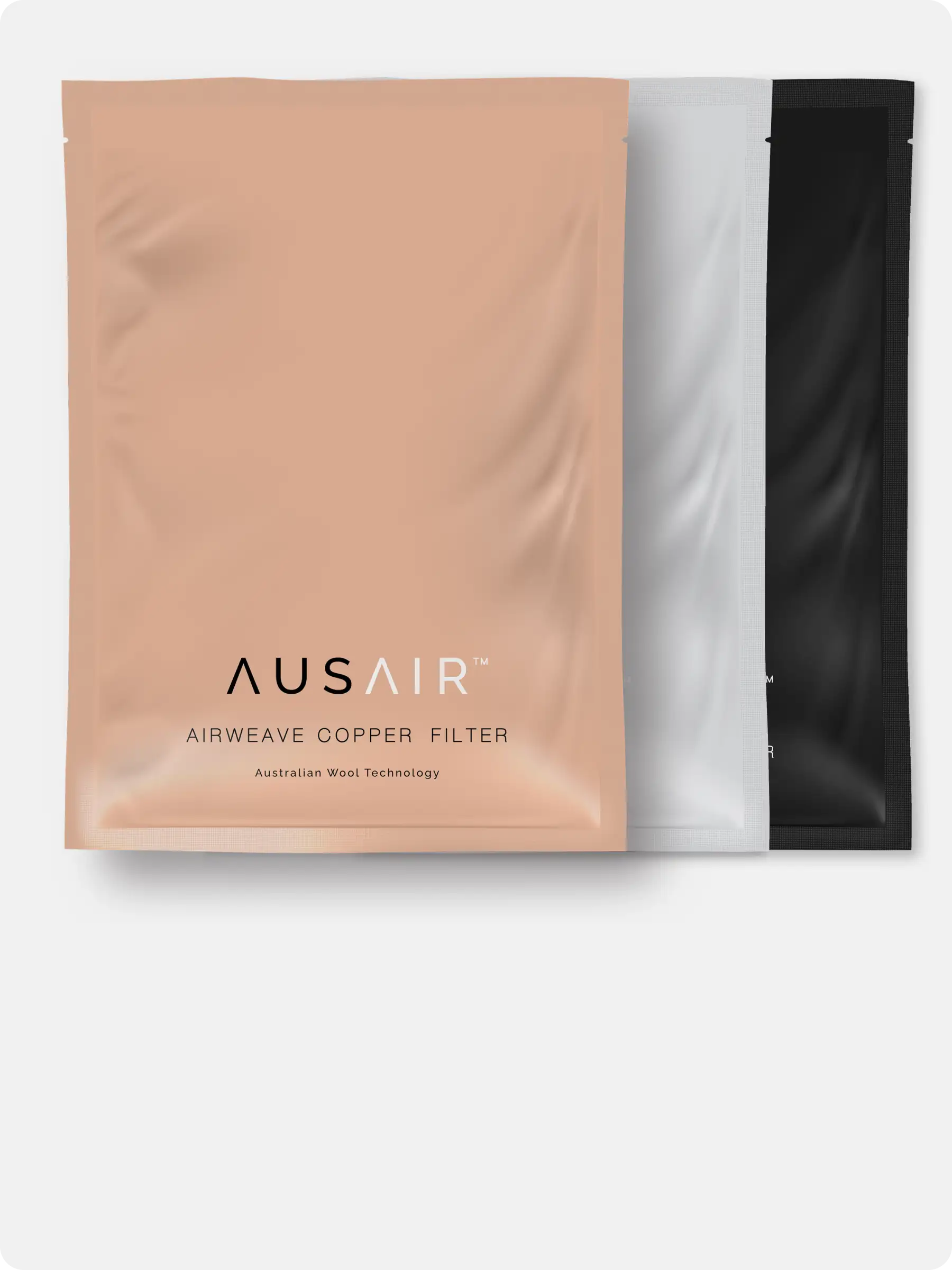
The AirWeave mask is designed to support this kind of long-term usability rather than short-term appeal. Features such as reusable filters, a consistent fit, and optional accessories exist to reduce friction across repeated use.
Designing a Mask You Forget You’re Wearing
The best compliment a mask can receive is not enthusiasm. It is absence.
When a mask is working well, people forget they are wearing it. They stop adjusting it. Breathing feels normal. Speaking feels unencumbered.
This is the design goal behind the AirWeave mask. Comfort is treated as the baseline requirement that allows everything else to function in daily life.
Comfort Is What Makes Everything Else Possible
No matter how well-intentioned someone is, discomfort eventually wins.
Masks that can be worn all day are the ones that respect how people actually behave. They reduce friction, maintain consistency, and stay out of the way.
A comfortable mask is not one that demands attention. It is one that quietly supports the day it is worn through.


Leave a comment
All comments are moderated before being published.
This site is protected by hCaptcha and the hCaptcha Privacy Policy and Terms of Service apply.