



AirLab Pro
What calibration options are available? Does it require calibration and if so, how often?
The AirLab Pro is a “set-and-forget” device, designed to maintain long-term accuracy with minimal user intervention.
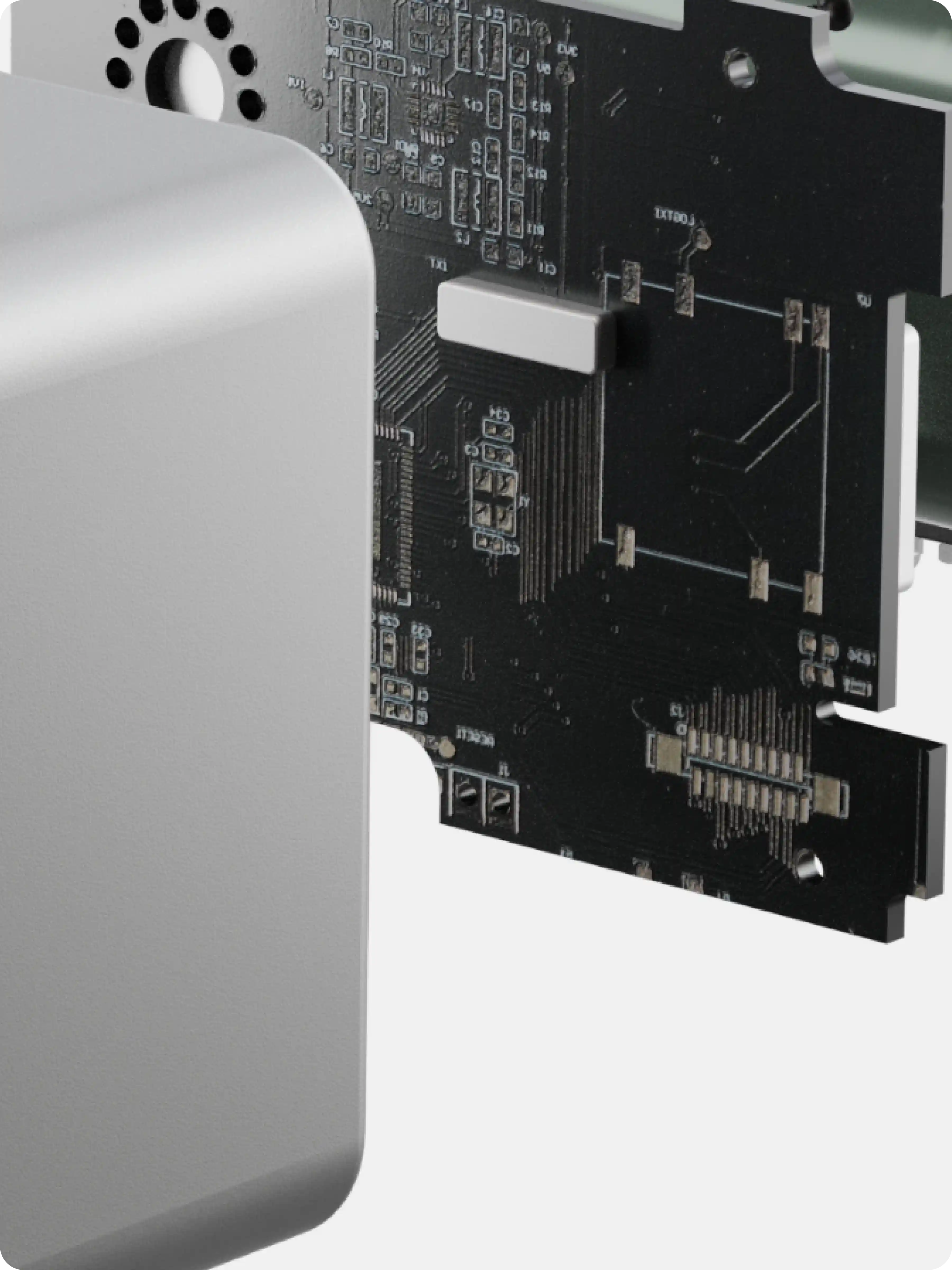
However, it includes both automatic and manual calibration options to ensure long-term accuracy for key sensors.The CO₂ sensor uses Automatic Self-Calibration (ASC), which adjusts its baseline every 7 days based on the lowest CO₂ value recorded — typically fresh air at 400 ppm. ASC is enabled by default and can be turned on or off.
Manual calibration options are available for both CO₂ and formaldehyde (HCHO) if needed. These are typically used only once every 1–2 years, and only if readings show signs of drift.
All other sensors — including PM, VOCs, NOx, temperature, and humidity — are factory-calibrated and do not require user calibration under normal conditions.For best results, refer to the user manual before initiating manual calibration to ensure optimal environmental conditions.
What is the Air Quality Index (AQI) and how is it calculated?
The AQI is a comprehensive indoor air quality score ranging from 0 to 500, designed to give you a clear understanding of your overall air quality at a glance. It is colour-coded for easy interpretation and reflects the highest individual pollutant reading among the key metrics monitored, including CO₂, PM, VOCs, and formaldehyde. This ensures that the AQI always highlights the most pressing air quality concern in your environment, helping you take timely and informed action.
How do I pair my AirLab Pro with the app?
Pairing mode is activated automatically the first time the device is turned on. Enable Bluetooth, open the AirLab app, tap the '+' icon, and select “Add Device.” Follow the prompts to confirm pairing on both your phone and the device.
What does the AirLab Pro measure?
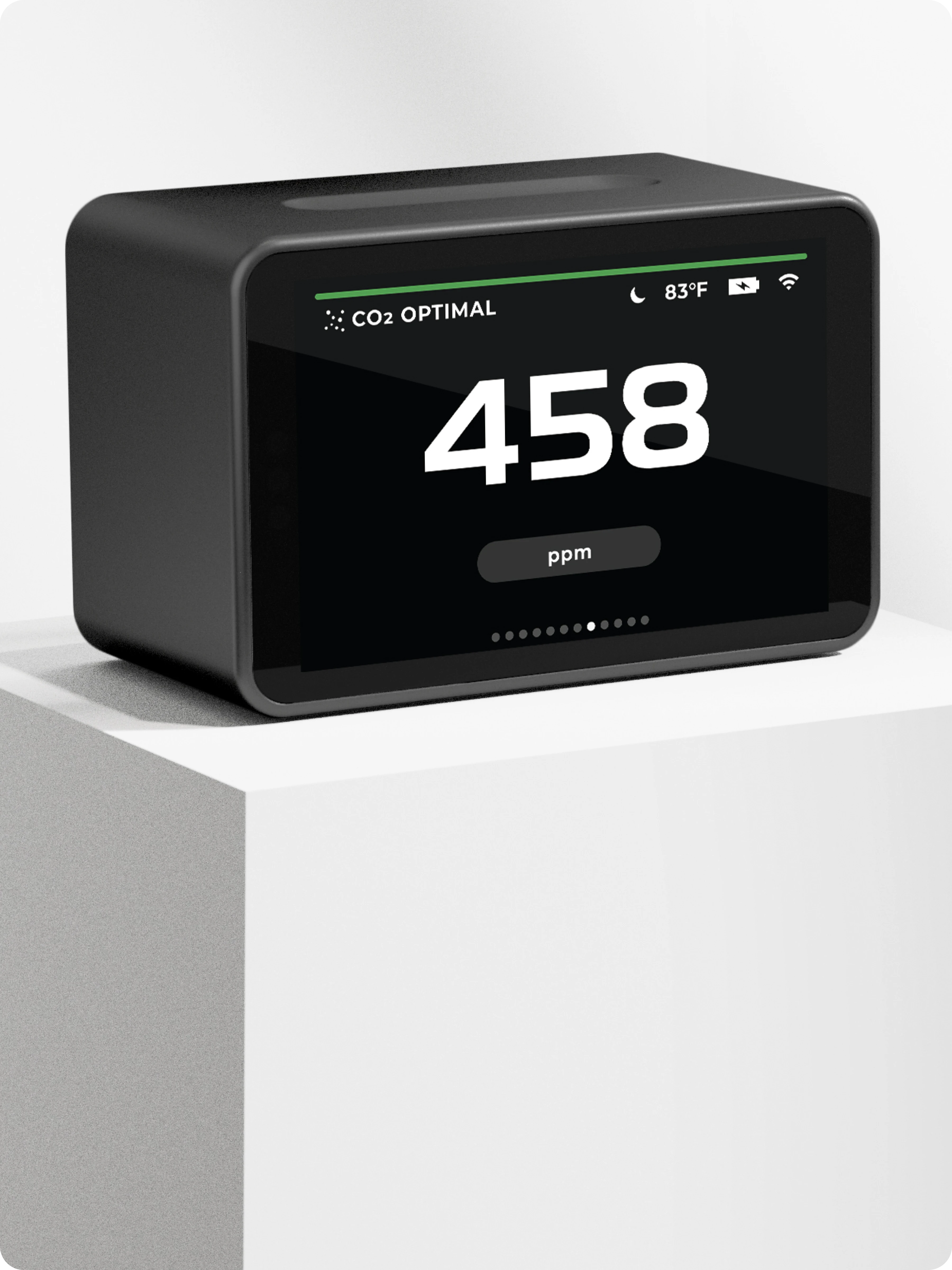
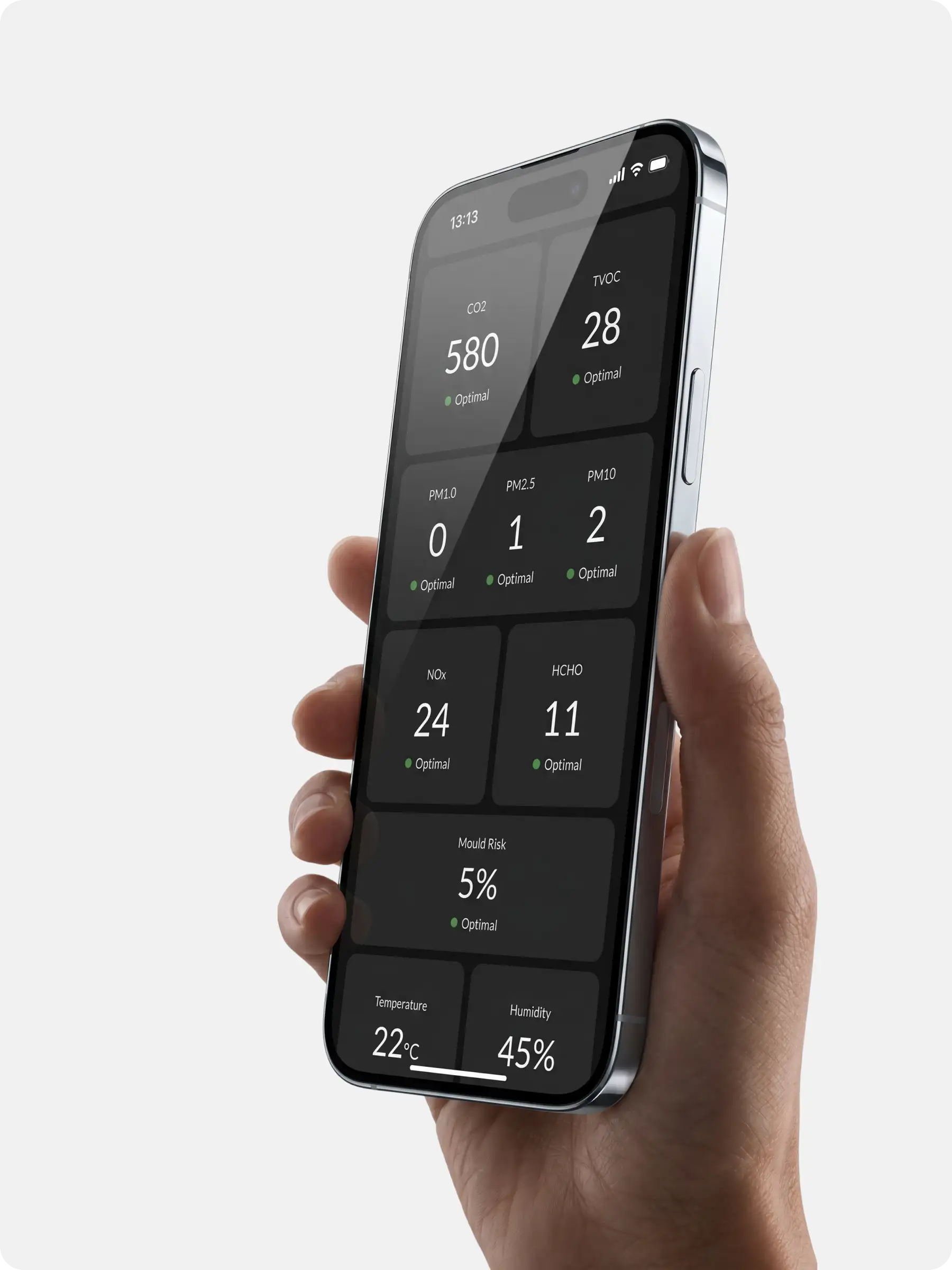
AirLab Pro continuously monitors 10 indoor air quality indicators: PM1.0, PM2.5, PM10, carbon dioxide, formaldehyde, volatile organic compounds, nitrogen oxides, temperature, humidity and Mould Risk. It also combines the key readings into a simple, colour-coded AirLab Indoor AQI, helping you understand your overall air quality at a glance.
How accurate is the AirLab Pro?
The AirLab Pro uses best-in-class sensors trusted by research labs, industry professionals, and environmental health experts. Each sensor is individually calibrated against scientific-grade reference instruments. This ensures measurement accuracy, reliability, and consistency across diverse indoor conditions. For detailed specifications, view our Data Sheet.
What regional spelling and temperature units do the AirLab Pro and app support?
The AirLab Pro and AirLab app support both Australian/British and U.S. settings, using the corresponding regional spelling and displaying temperatures in degrees Celsius and Fahrenheit, respectively. To switch between regional preferences, click the function button once.
Do I need to calibrate my AirLab Pro before using it for the first time?
No, the AirLab Pro comes fully factory-calibrated and is ready to use out of the box. However, several sensors require a short stabilisation period to adapt to your environment and deliver the most accurate readings.
Can I view historical data on the AirLab Pro?
Yes. The AirLab app provides daily, weekly and monthly historical trends across each monitored metric for up to one year, helping you identify air quality patterns, gain key insights and take informed action.
How long does the battery last?
AirLab Pro provides up to 16 hours of portable use on a full charge, making it easy to move between rooms and monitor air quality wherever you go. For continuous monitoring in a fixed location, simply keep it connected to USB-C power.
How do l setup my AirLab?
Setting up your AirLab Pro is quick and straightforward. Follow our step-by-step User Manual for guidance on powering on your device, downloading the AirLab app, connecting to Wi-Fi, and completing the initial setup.
AirWeave Products
How does the AirWeave Mask compare to an N95 or P2 mask?
Filtration:
- N95 or P2 masks are certified to achieve >95% PFE at 0.3µm and >99% BFE.
- The AirWeave Mask is certified to achieve >99% PFE at 0.3µm, >99% BFE and >99% VFE, whilst being highly breathable.
Medical and Industrial Use: - N95 or P2 masks are intended to be used in healthcare and industrial settings. They often require additional certifications for blood splatter and fire retardation.
- The AirWeave Mask is designed for everyday, non-medical use. The AirWeave Mask is ideally suited for a daily commute, travel and high particulate matter environments a person may encounter during their day to day.
Fit and Comfort:
- N95 or P2 masks are required to achieve a close facial fit but do not prioritise comfort or breathability.
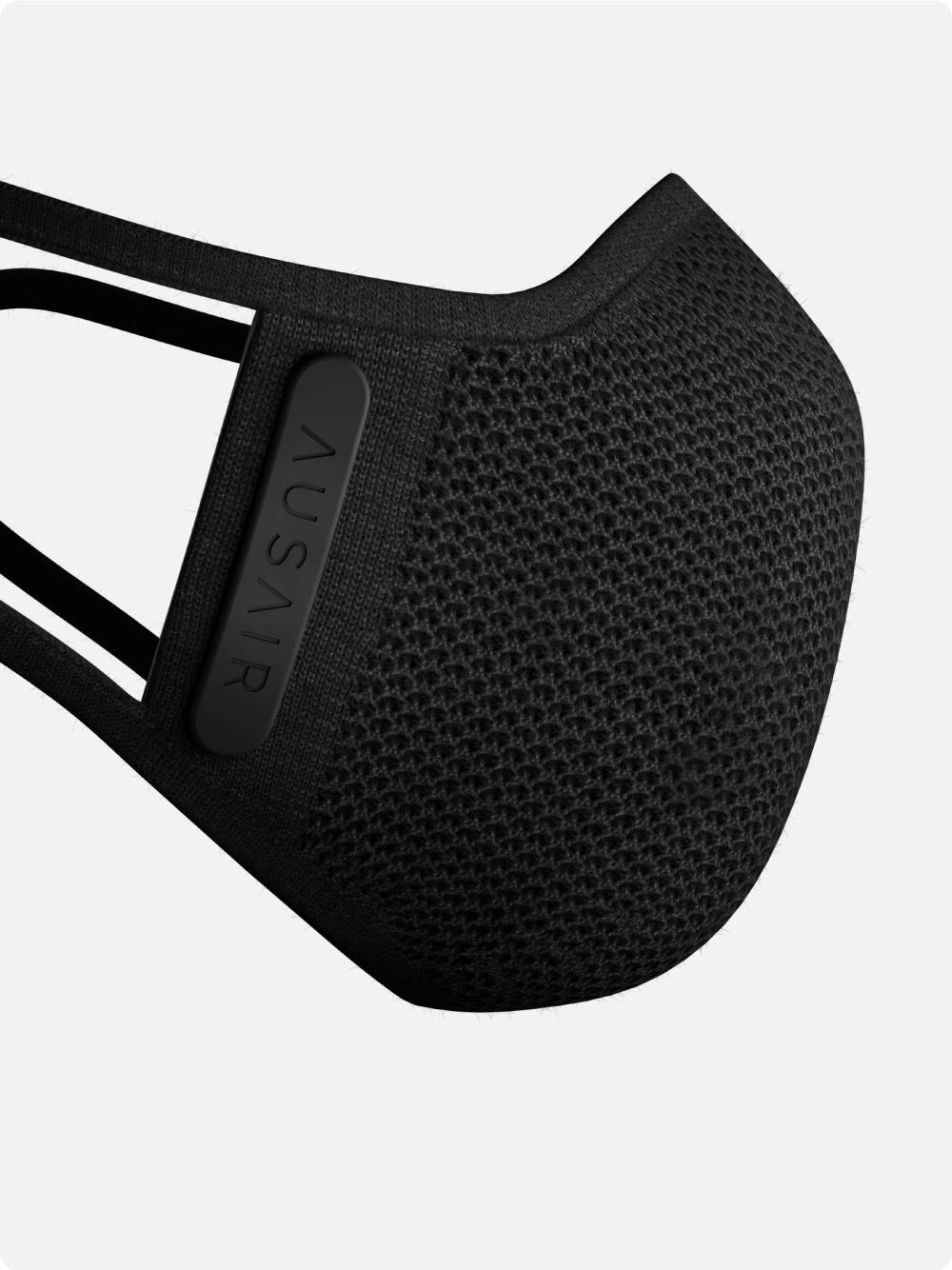
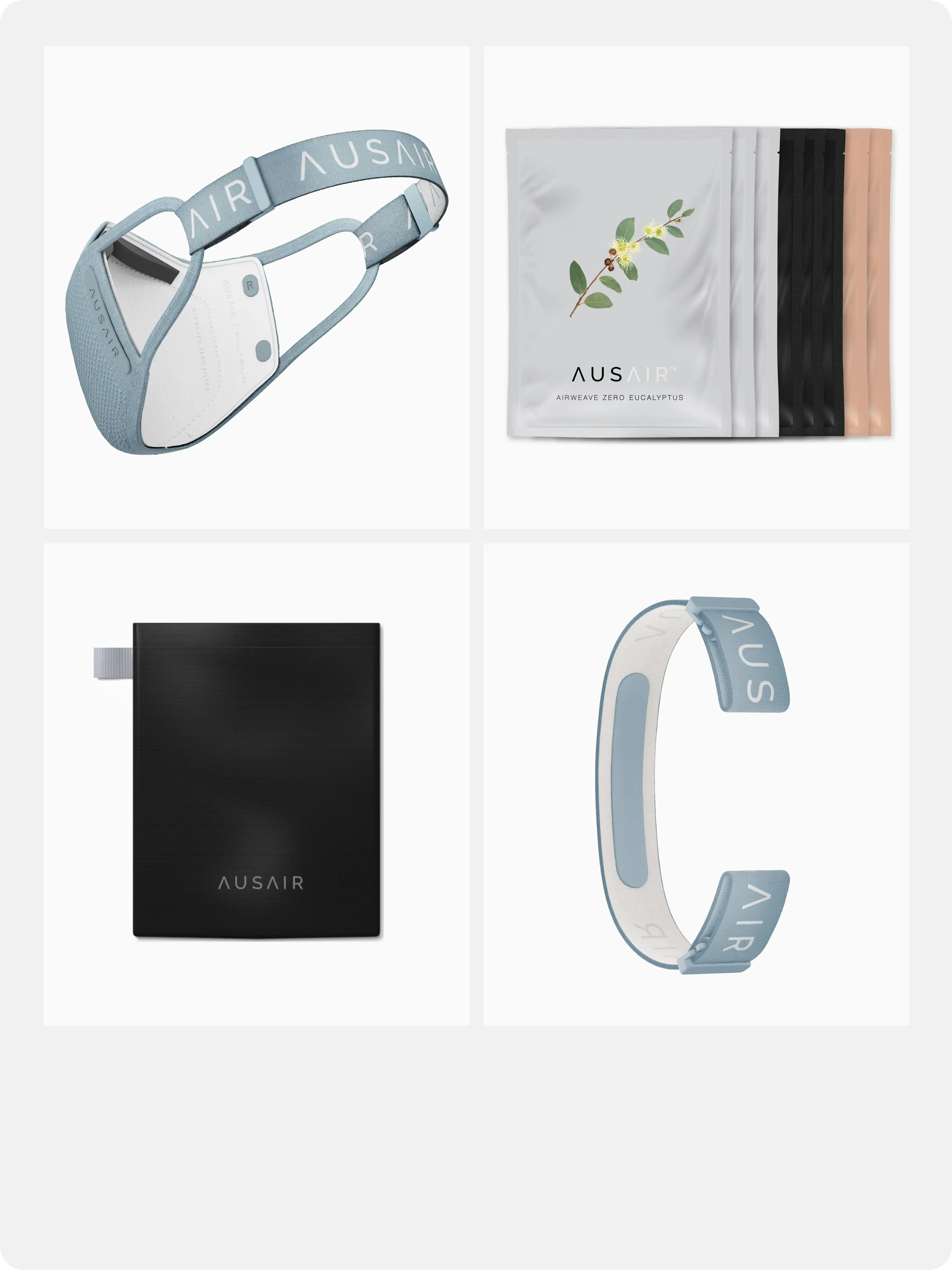
- The AirWeave Mask is designed for both fit and comfort, featuring 3D nose foam, a broadspan nose wire, and adjustable ear loops to ensure a high-quality seal around the face.
Filter Lifespan:
- N95 or P2 masks are disposable, single-use respirators.
- The AirWeave filters last up to 20 days and the outer mask is reusable and machine washable.
What certifications does the AirWeave Mask have?
All AirWeave Filters have been certified to the following standards through independent third-party laboratories:
- ASTM F2299 particle filtration efficiency test at 0.1μm & 0.3μm (>99%)
- ASTM F2101-19/ EN 14683:2019 bacterial filtration efficiency test (>99%)
- ASTM F2101-19/ EN 14683:2019 viral filtration efficiency test (>99%)
- ASTM F2100-19/EN 14683:2019, Annex C Delta P test (<28.3 pa/cm2)
What does the AirWeave Mask filter?
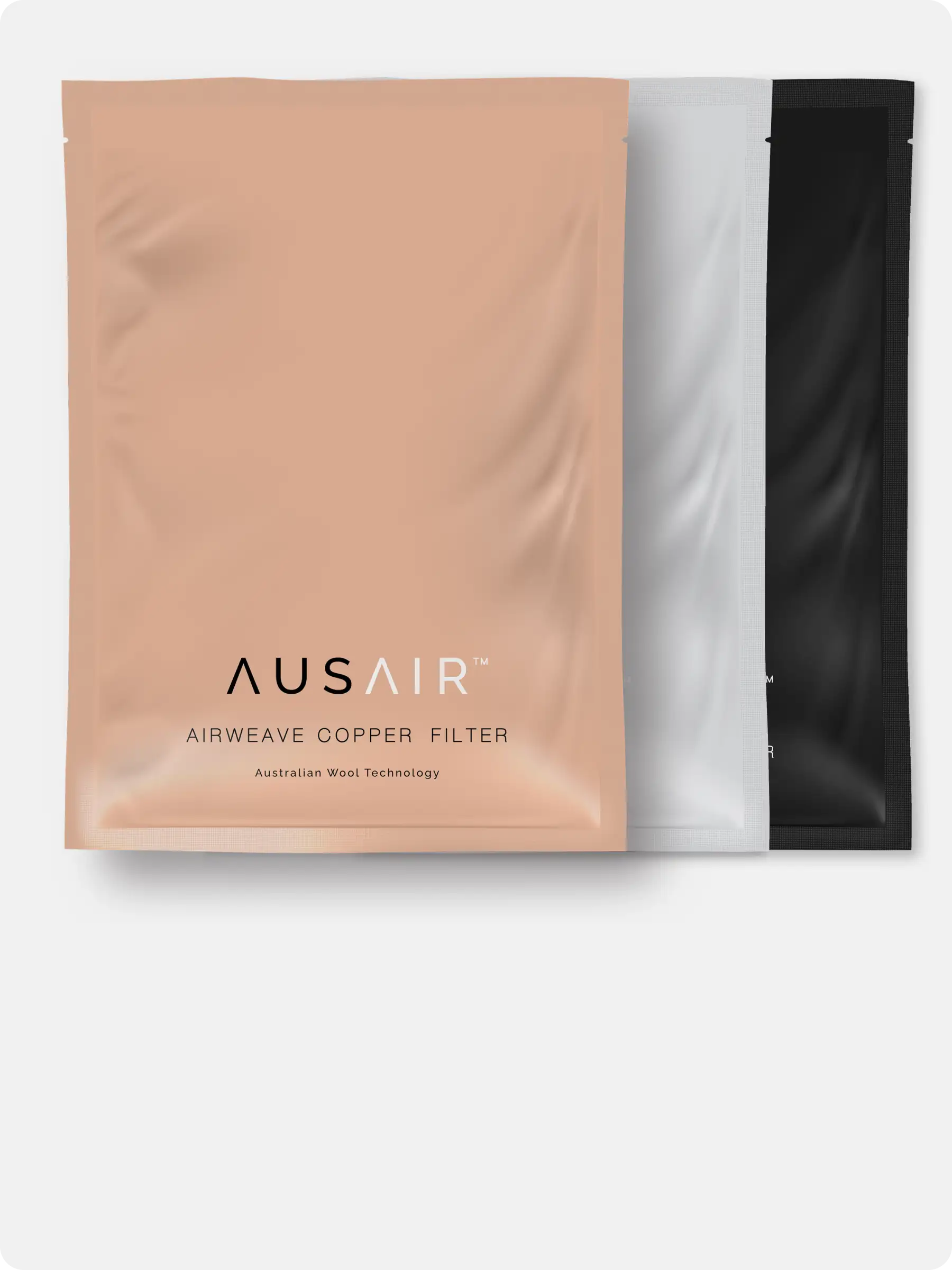
The AirWeave Copper and AirWeave Zero Filter have been independently tested by FDA registered and ISO 17025 accredited Nelson Labs, the leading global provider of microbiological laboratory testing for MedTech and pharmaceutical companies. Both filter ranges are certified to filter >99% of:
- Air pollution including PM0.1 & PM0.3
- Bacteria
- Viruses
- Smoke and Wildfires
- Pollen
- Dust
- Smog
- Car Emissions
- Mould
- Tobacco Smoke
- Pet Dander
What size mask should I select?
Please visit our size guide page and follow the instructions.
Does this mask protect me from PM2.5?
Yes, the filter is certified to filter particulate matter size 2.5 microns and much smaller. The AirWeave Copper and AirWeave Zero Filter has been tested down to PM0.1 achieving a particle filtration efficiency of >99%. For reference a human hair is around 70 microns in diameter and coccus bacteria are around 2 microns. The filter has also been tested down to PM0.3, which is the maximum penetrative particle size (MPPS) and achieves a particle filtration efficiency of >99%.
Can the AirWeave mask achieve a good seal and prevent my glasses from fogging?
Yes, the AirWeave Merino Mask has been designed to completely eliminate or significantly reduce the fogging of glasses due to its ergonomic and extremely breathable design. Press and conform the 3D memory nose foam and adjustable nose bridge to create a firm seal around the nose. It is important to ensure that the adjustable ear loops are firmly secured in a comfortable position.
Can I wash the mask?
Yes, the mask skin, silicone components and carry bag can be washed like an item of clothing. For optimal results, machine wash in cold water using mild detergent. Delicate settings are recommended. Do not tumble dry.
Both AirWeave filters cannot be washed, but can be reused for up to 20 days.
How should I store the filters?
Filters which are in use can remain attached to the mask skin and can be stored within the antimicrobial carry bag. Opened or unopened filters should be stored away from direct sunlight, hot and humid conditions.
Do not remove the filter from its airtight packaging until it is ready to be used. An unopened filter can last up to five years within its packaging.
How long does each filter last?
The lifetime of the filters depends on several factors, including frequency of use, humidity, captured particulates, and surrounding pollution levels.
For both the AirWeave Zero and Copper filters, the maximum recommended use time is 20 days, assuming 4-5 hours of daily use.
This recommendation is based on considerations of filter degradation and hygiene. If the filter becomes wet, damaged, contaminated, or if breathing becomes difficult, it should be replaced immediately.
AirFlex Products
How does the AirFlex Mask compare to an N95 or P2 mask?
Filtration:
- N95 or P2 masks are certified to achieve >95% PFE at 0.3µm and >99% BFE.
- The AirFlex Mask is certified to achieve >99% PFE at 0.3µm, >99% BFE and >99% VFE.
Medical and Industrial Use: - N95 or P2 masks are intended to be used in healthcare and industrial settings. They often require additional certifications for blood splatter and fire retardation.
- The AirFlex Mask is designed for everyday, non-medical use. The AirFlex Mask is ideally suited for a daily commute, travel and high particulate matter environments a person may encounter during their day to day.
Fit and Comfort:
- N95 or P2 masks are required to achieve a close facial fit but do not prioritise comfort.
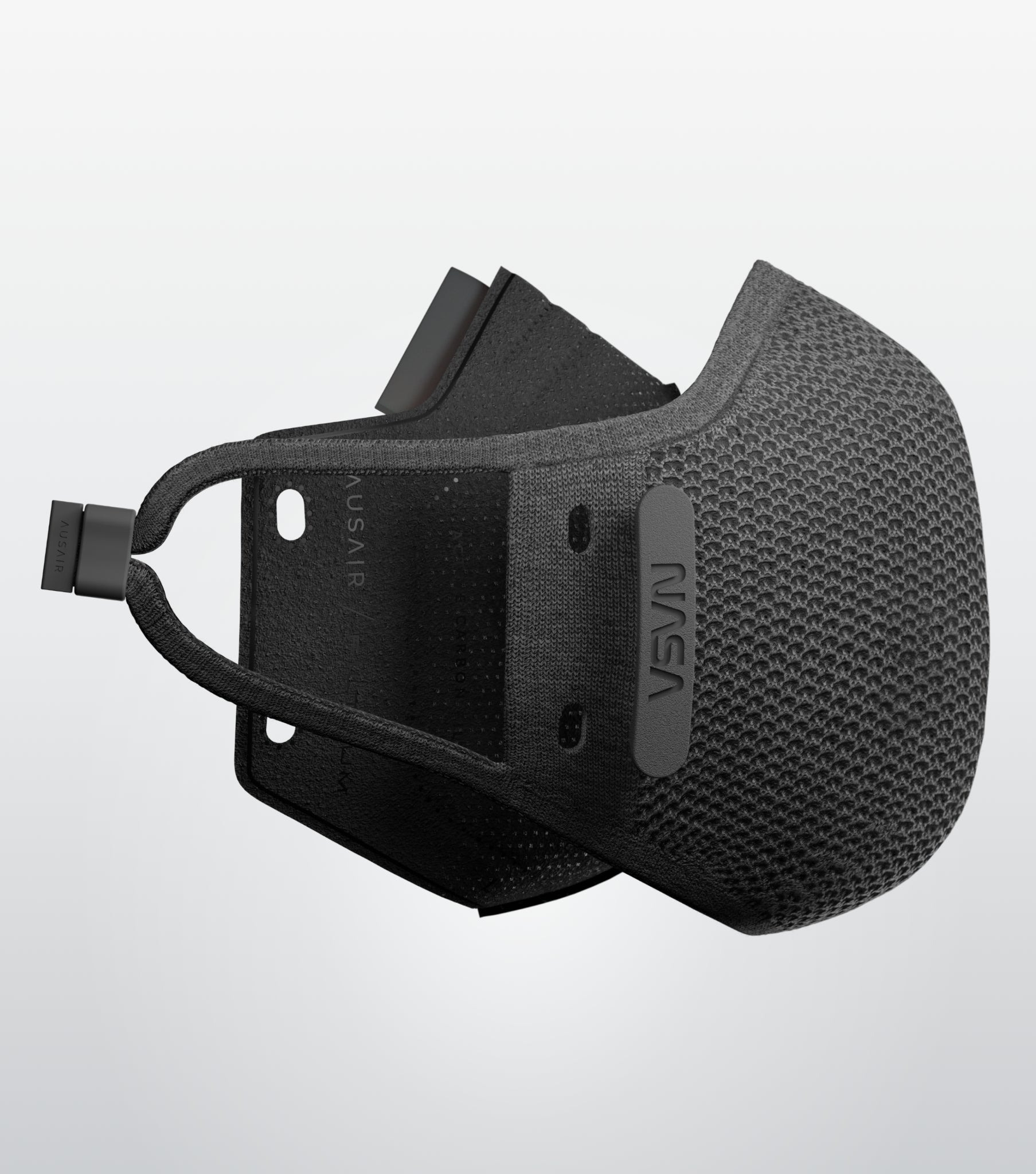
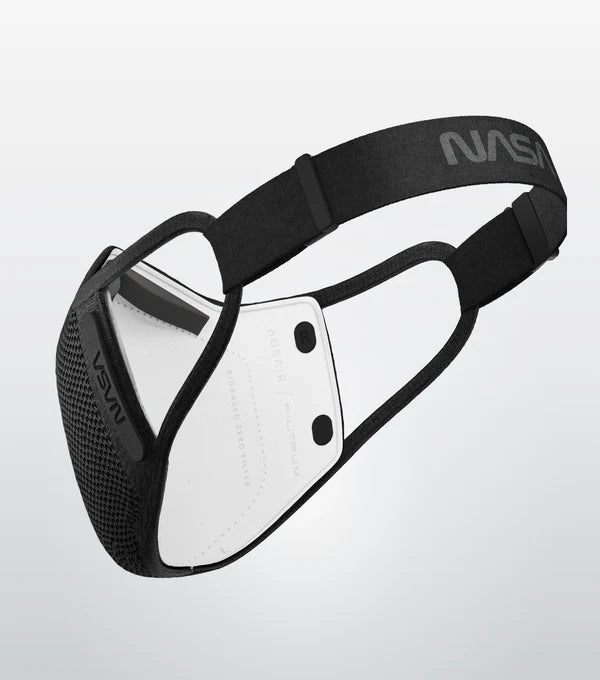
- The AirFlex Mask is designed for both fit and comfort, featuring contouring nose foam, a broadspan nose wire, and adjustable ear loops to ensure a high-quality seal around the face.
Filter Lifespan:
- N95 or P2 masks are disposable, single-use respirators.
- The AirFlex filters last up to 28 days and the outer mask is reusable and machine washable.
What certifications does the AirFlex Mask have?
The AirFlex Filters have been certified to the following standards through independent third-party laboratories:
- ASTM F2299 particle filtration efficiency test at 0.1μm & 0.3μm (>99%)
- ASTM F2101-19/ EN 14683:2019 bacterial filtration efficiency test (>99%)
- ASTM F2101-19/ EN 14683:2019 viral filtration efficiency test (>99%)
If you’d like to learn more you can view all our certifications here.
What does the AirFlex Mask filter?
The AirFlex Filter has been independently tested by FDA registered and ISO 17025 accredited Nelson Labs, the leading global provider of microbiological laboratory testing for MedTech and pharmaceutical companies. Both filter ranges are certified to filter >99% of:
- Air pollution including PM0.1 & PM0.3
- Bacteria
- Viruses
- Smoke and Wildfires
- Pollen
- Dust
- Smog
- Car Emissions
- Mould
- Tobacco Smoke
- Pet Dander
Additionally, the AirFlex Filter removes obnoxious odours through the active carbon layer.
What size mask should I select?
Please visit our size guide page and follow the instructions.
Does this mask protect me from PM2.5?
Yes, the filter is certified to filter particulate matter size 2.5 microns and much smaller. The AirFlex Filter has been tested down to PM0.1 achieving a particle filtration efficiency of >99%. For reference a human hair is around 70 microns in diameter and coccus bacteria are around 2 microns. The filter has also been tested down to PM0.3, which is the maximum penetrative particle size (MPPS) and achieves a particle filtration efficiency of >99%.
Can the AirFlex mask achieve a good seal and prevent my glasses from fogging?
Yes, the AirFlex Mask has been designed to completely eliminate or significantly reduce the fogging of glasses due to its ergonomic and dual-valve design. Press and conform the nose foam and adjustable nose bridge to create a firm seal around the nose. It is important to ensure that the adjustable ear loops are firmly secured in a comfortable position.
Can I wash the mask?
Yes, the mask skin, silicone components and carry bag can be washed like an item of clothing. For optimal results, machine wash in cold water using mild detergent. Delicate settings are recommended. Do not tumble dry.
The stainless steel valves can be wiped down with a cloth.
The filters cannot be washed, but can be reused for up to 28 days.
How should I store the filters?
Filters which are in use can remain attached to the mask skin and can be stored within the antimicrobial carry bag. Opened or unopened filters should be stored away from direct sunlight, hot and humid conditions.
Do not remove the filter from its airtight packaging until it is ready to be used. An unopened filter can last up to five years within its packaging.
How long does each filter last?
The lifetime of the filters depends on several factors, including frequency of use, humidity, captured particulates, and surrounding pollution levels.
For the AirFlex filter, the maximum recommended use time is 28 days, assuming 4-5 hours of daily use.
This recommendation is based on considerations of filter degradation and hygiene. If the filter becomes wet, damaged, contaminated, or if breathing becomes difficult, it should be replaced immediately.
Shipping & Delivery
How long will it take to receive my order?
Please visit our dedicated Shipping & Delivery page for delivery timeframes & pricing.
Have a Question?
Contact Us
Our customer service team will respond shortly.